
Liqueur basque
Patxaran
Liqueur de prunelles sauvages macérées dans l'anis, de Navarre, du Gipuzkoa et du Labourd.
Notre sélection réunit des patxarans du Pays basque nord et sud, jeunes ou élevés en fût de chêne.
Voir les patxarans
Notre sélection de patxaran du Pays basque nord et sud
7 patxarans
Nos patxarans sont épuisés pour le moment. Sur chaque fiche, laissez votre adresse e-mail pour être prévenu de leur retour.

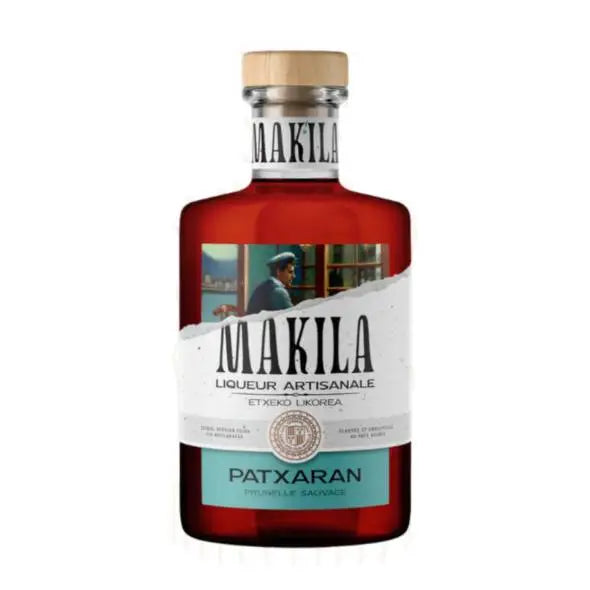






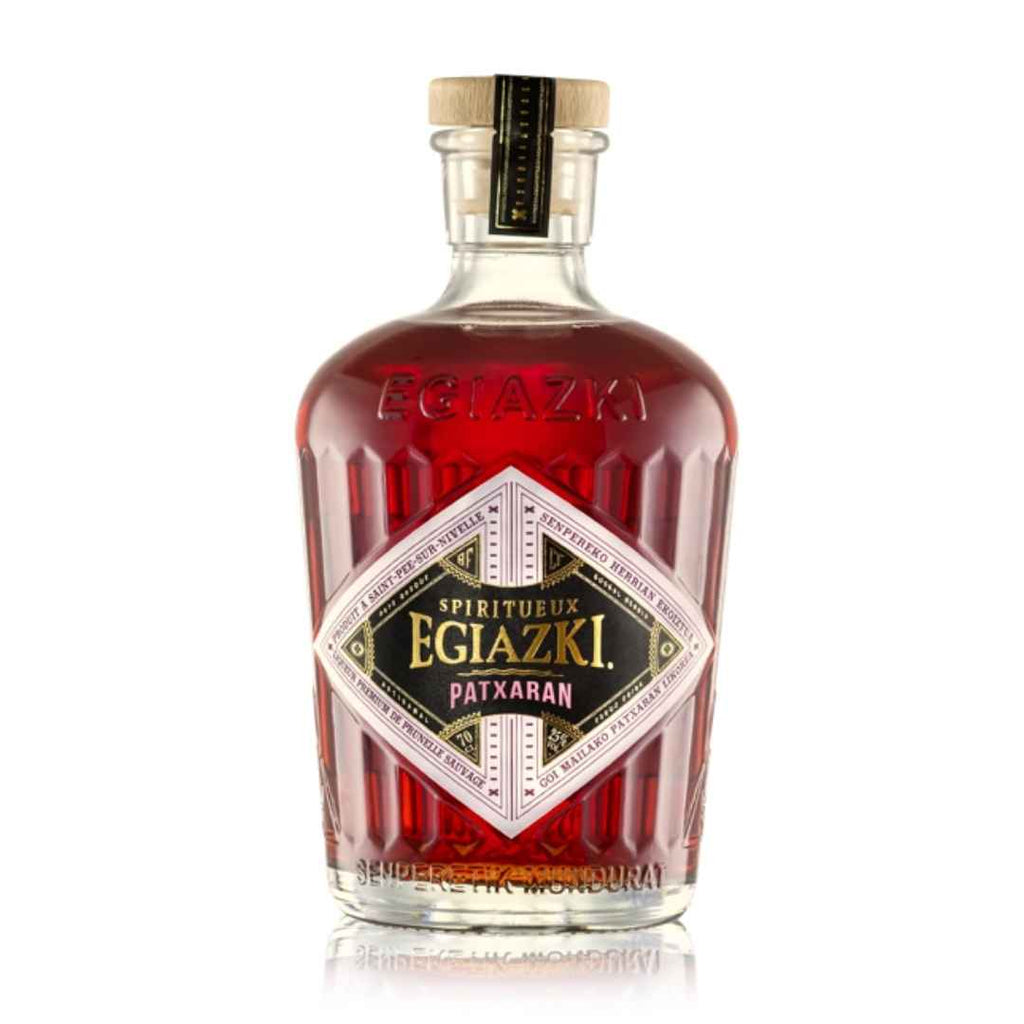

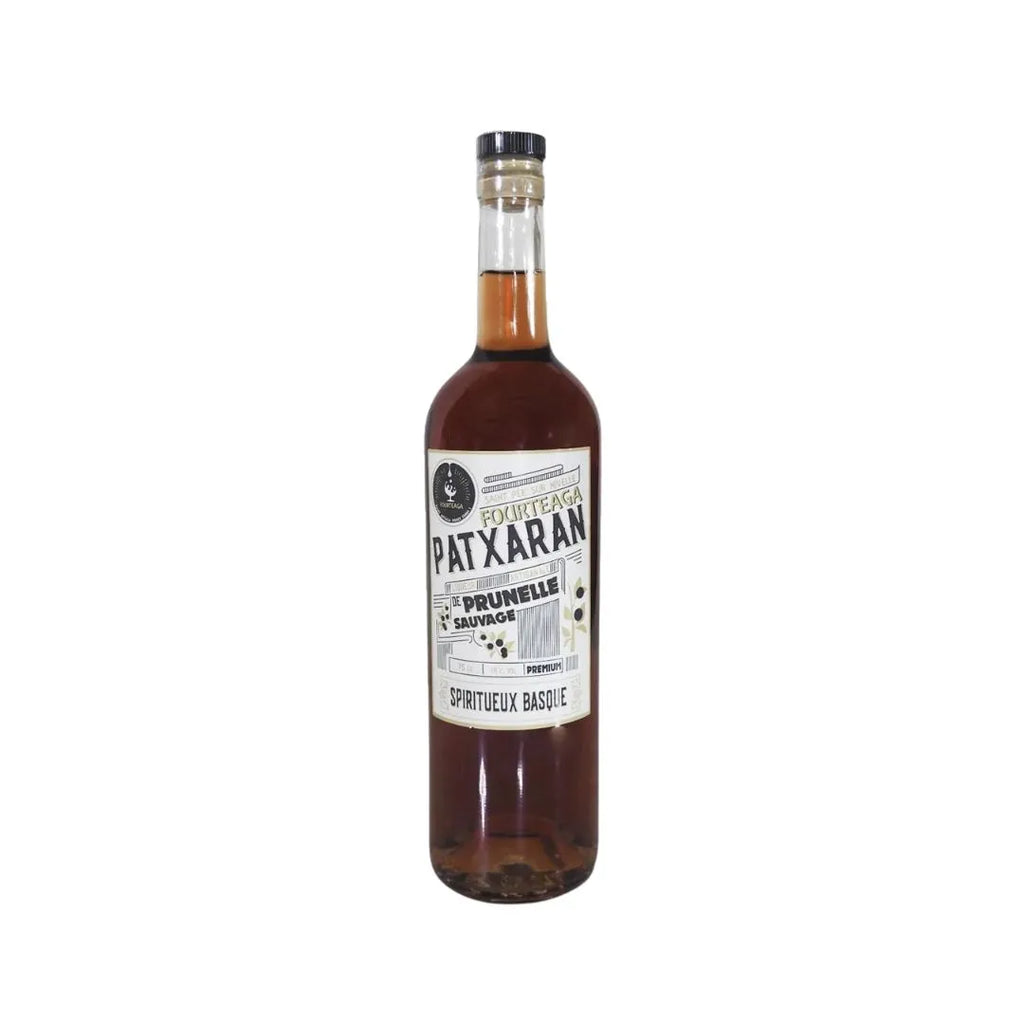



Le véritable patxaran Egiazki
Notre patxaran français préféré. Nous ne sommes pas les seuls à l'apprécier.
26,90 €
Être prévenu de son retour- Livraison offerte en France métropolitaine dès 100 € d'achats
- Emballage anti-casse pour chaque bouteille
- Paiement sécurisé
Egiazki · Saint-Pée-sur-Nivelle · Labourd
L'élaboration artisanale du patxaran Egiazki
Derrière chaque patxaran Egiazki, une recette et des produits sourcés localement. Les prunelles sauvages sont récoltées puis sélectionnées avant la macération.
Voir les produits EgiazkiLe patxaran, de la prunelle au verre
PATXARAN or PACHARAN?
ORIGIN OF PATXARAN (IN BASQUE) OR PACHARAN (IN SPANISH)
Patxaran (in Basque) or pacharan (in Spanish) is an anise-flavored liqueur native to Navarre, one of the provinces of the Southern Basque Country. It owes its name to the sloe berries (patxarana in Basque), sometimes wild, used in its production. The sloe berries used for pacharan are small, the size of a hazelnut, and are harvested in the autumn. One of the secrets to making patxaran comes from both the varieties used and the ripeness of the fruit.
How is PATXARAN made?
How is patxaran made? We won't share all the secrets for making your own homemade patxaran, as it is a precious secret guarded by every family in the Basque Country. Simply put, the sloe berries for pacharan are macerated for several months in anisette (anise-flavored alcohol).
Any good patxaran is unfiltered and contains no artificial flavors or dyes. The color and aromas obtained after maceration depend on the variety of sloe berries, the anise used, and many other criteria related to the producer's artisanal expertise.
Patxaran is traditionally aged in oak barrels for 3 to 6 months.
What is the composition of Basque patxaran?
Basque patxaran consists of wild sloe berries, water, sugar, alcohol, and anise. The proportions vary by producer, and some add coffee or vanilla.
TASTING PATXARAN
When should you drink patxaran?
Patxaran is primarily enjoyed at the end of a meal; it is particularly appreciated for its digestive properties. Whether at family gatherings or festive occasions, patxaran has a place of honor after lunches and dinners in the Basque Country; some enjoy smoking a good cigar while sipping a fine Basque liqueur, artisanal patxaran.
How is patxaran drunk?
We recommend drinking your patxaran at a temperature of 11°C (52°F) to reveal its full aromatic complexity without it being too dominated by the alcohol. A tip: chill the glass of pacharan rather than adding ice, which would dilute the patxaran. Sacrilege!
WHICH BRAND OF PATXARAN SHOULD YOU BUY?
We offer here a selection of the most iconic patxarans from Navarre (navarro patxaran), Gipuzkoa, as well as the Northern Basque Country, the French Basque Country.
Artisanal patxaran from 3 Basque provinces: Navarre, Gipuzkoa, and Labourd
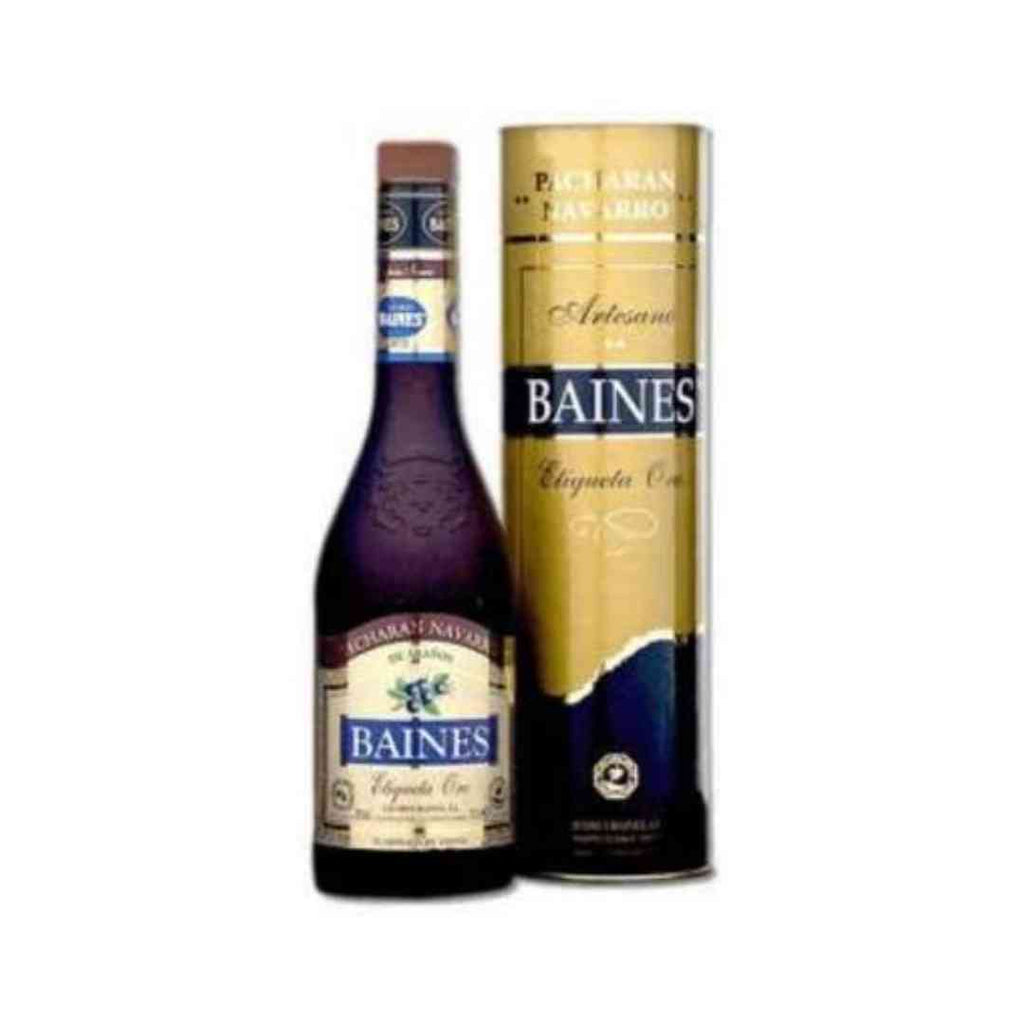
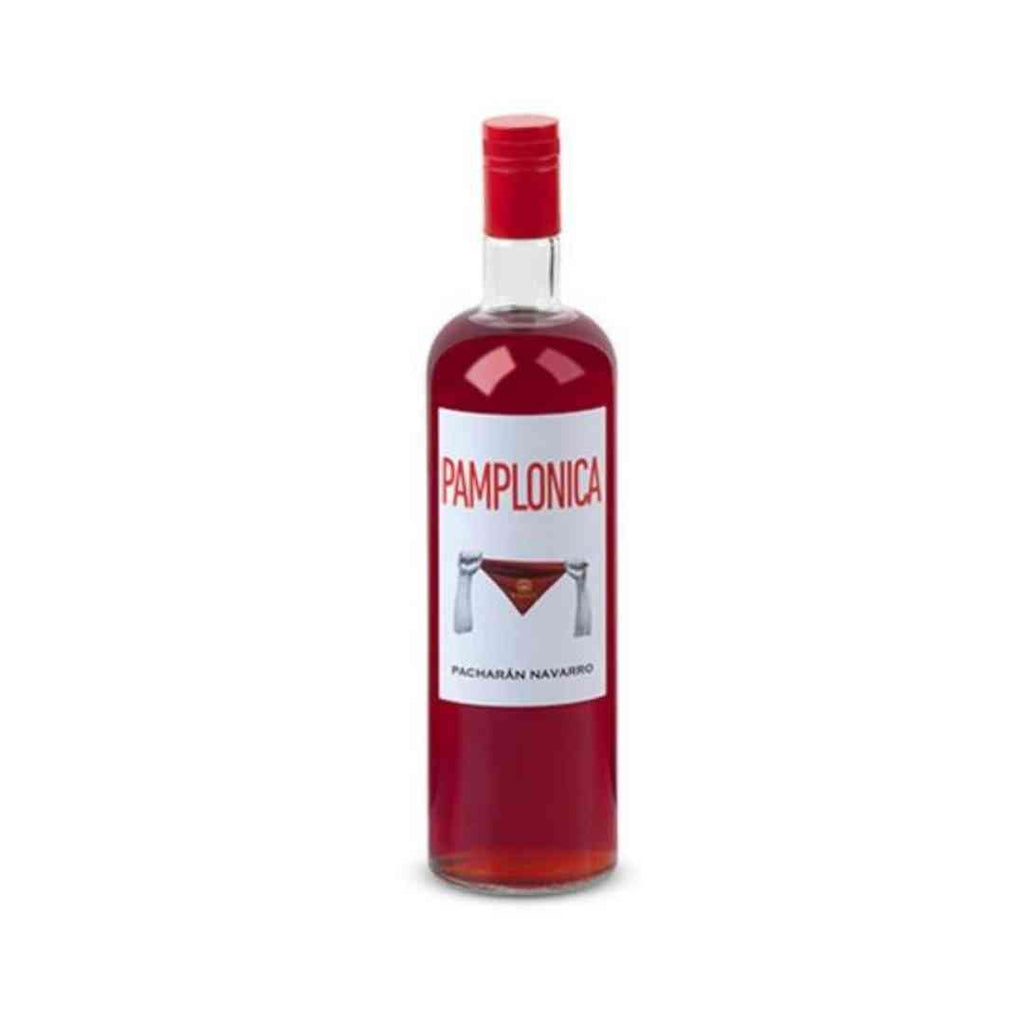
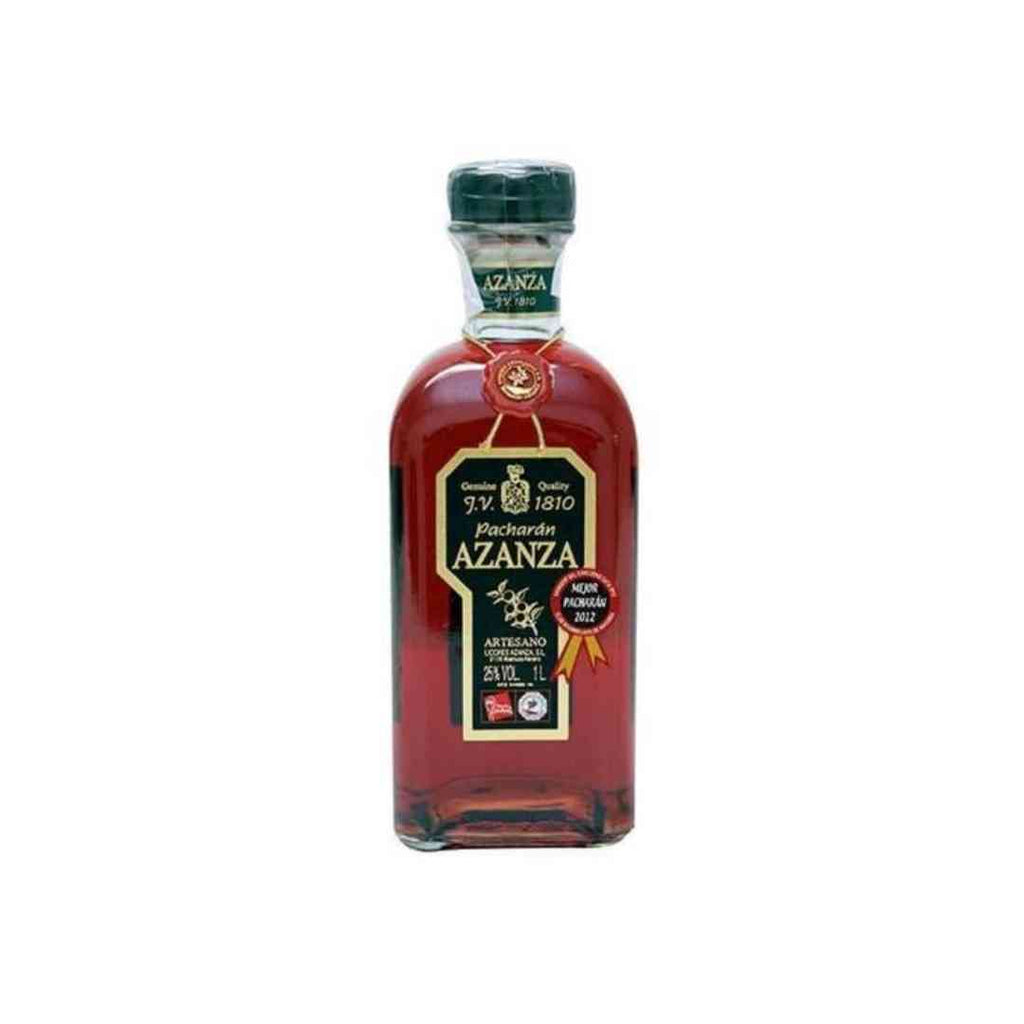
In Navarre, we offer the Baines brand, an iconic patxaran brand in Navarre that ages part of its patxaran in oak barrels, a traditional method used since 1844. As another Navarrese patxaran, fresher and more powerful, intended for parties with friends, we offer Pamplonica patxaran. Azanza patxaran, an artisanal patxaran from Navarre, completes our selection.
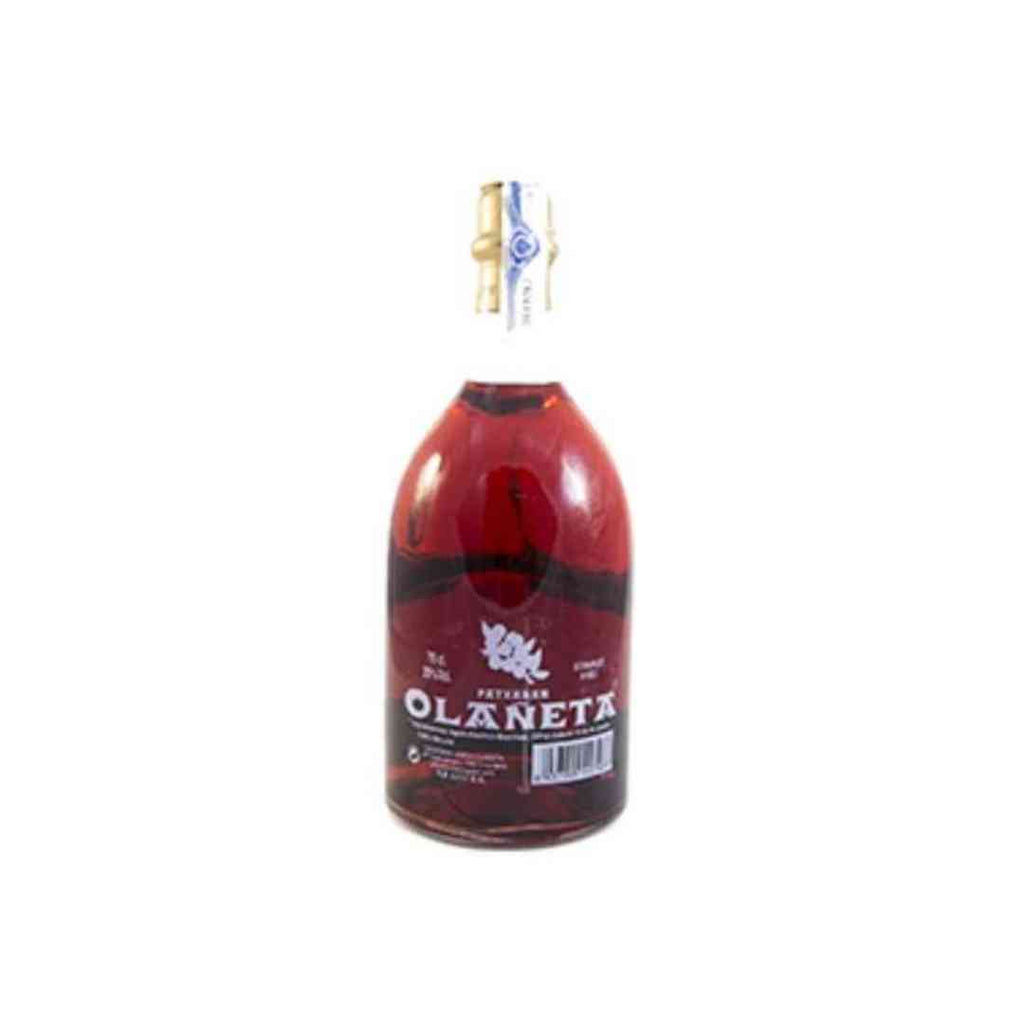
On the ocean side, in the Basque province of Gipuzkoa, we offer Olañeta pacharan. Finally, from the Northern Basque Country, on the French side, there is Egiazki patxaran.
Les autres apéritifs et digestifs du Pays basque







L'abus d'alcool est dangereux pour la santé, à consommer avec modération. La vente d'alcool est interdite aux mineurs.